

Tardigrade Seeds
CilantroDelfino
Cilantro
Delfino75 Days
Transitional Organic
Couldn't load pickup availability
Coriandrum sativum
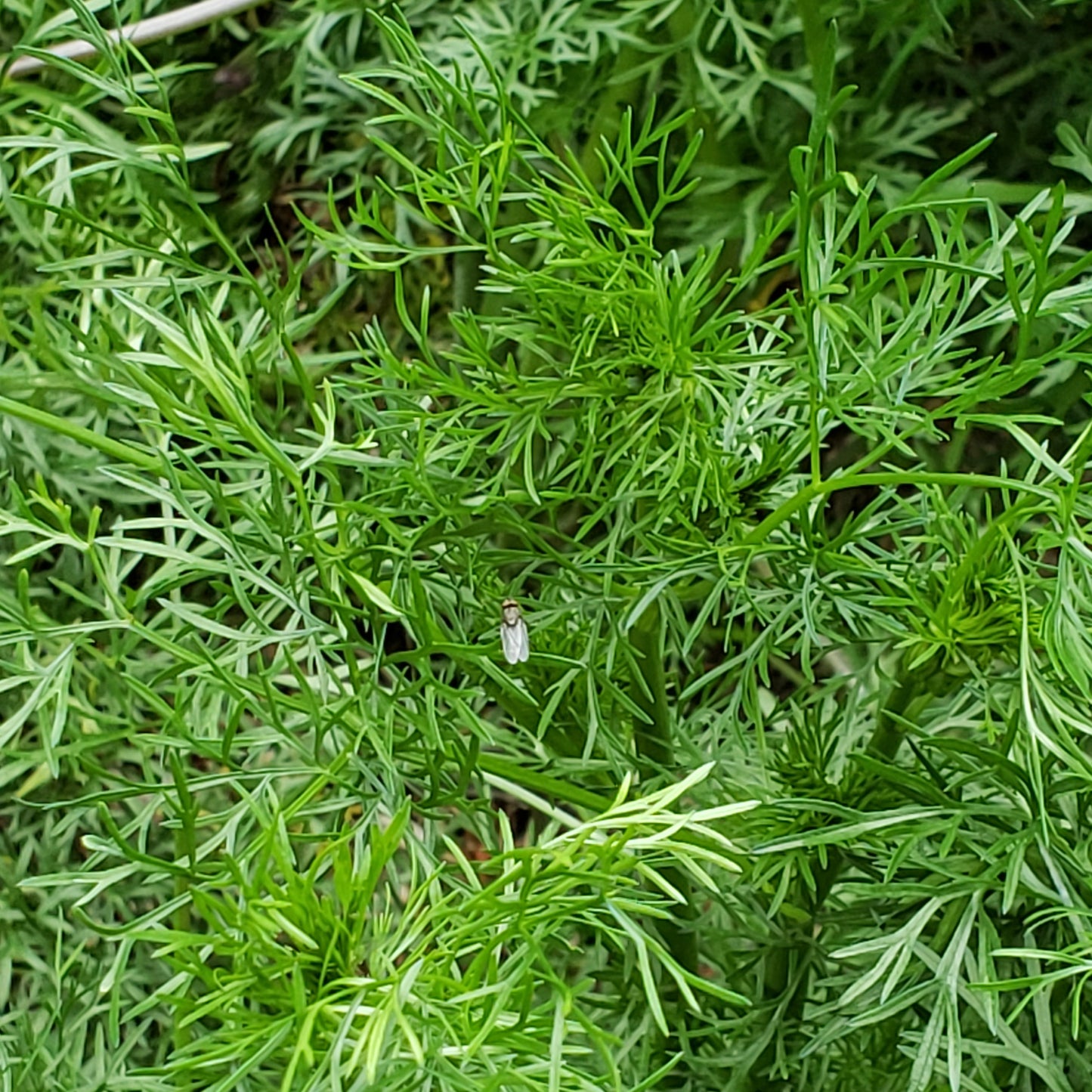
Delfino combines unique beauty and flavour for an exceptional cilantro.
Resurrected from extinction by grower Zach Pickens, Delfino was once a common market garden variety in New York. Feather-like foliage, similar to carrot leaves, makes for faster preparation in the kitchen and highly ornamental garnish. Classic cilantro flavour. Once it bolts, leave the flowers for bees and use the immature green seed fresh in any dish where you'd like a cilantro pop. Harvest dry seed for spice — you'll be amazed at the flavour of home grown coriander.
Transitional Organic
Growing Instructions:
Transplant or direct seed.
Transplanting: for an early crop, sow 1/2" deep early spring with germination temperatures between 15 and 20° C. Transplant mid-spring, spacing 4-6" between plants.
Direct seeding: direct seed mid- through late-spring 1/2" deep approximately 1" apart.
Growing tips: Cilantro will bolt with summer heat. Use shade cloth and mulch soil to lower temperatures and delay bolting. Once stem starts to elongate, the plant is putting its energy into seed production and won't produce more leaves. Either harvest whole plant at first sign of bolting, or allow green seed seeds to form, which can be eaten and are delicious. May also be started late summer to early fall and kept covered once cold weather sets in for a winter crop. Requires consistent moisture and moderate fertility.
Dry growing (growing without watering or minimal watering): While cilantro generally wouldn't be considered a good candidate for dry growing, there's plenty you can do to have the best success growing it with reduced irrigation. First, start from transplants as early as possible in the spring, and transplant while there is still regular rain. Use your most fertile area. Space plants more widely than usual: use 8-12" apart. Keep soil heavily mulched and weeded. Another option is to plant late summer, relying on fall rains to keep it watered. This allows for a winter harvest.
Share